Water Damage Restoration in Smith Valley, IN
Emergency water damage response for Smith Valley and Johnson County. typical 2 hour dispatch on emergencies standard, experienced, we work with your insurance.
Across Smith Valley and Johnson County, Smith Valley Water Restoration handles Water Damage Restoration the same disciplined way. Assessment first, scope written, work documented, closeout in writing. License #RC21100059.
- Service: Water Damage Restoration for Smith Valley homeowners
- Service area: Smith Valley, IN and surrounding Johnson County
- Response time: Typically within 2 hours on Smith Valley active water emergencies. Crew lets you know if the dispatch will take longer.
- Licensed and insured (License #RC21100059)
- Serving Smith Valley, IN since 2018
Expert Water Damage Restoration for Smith Valley Homeowners
Smith Valley water damage emergencies share a pattern: the homeowner discovers the water, calls insurance, and waits. Every hour of that wait costs material. Smith Valley Water Restoration cuts the wait. We answer Smith Valley, IN emergency calls 24 hours a day with a typical 2 hour dispatch on emergencies and document the loss in a way that accelerates the claim.
The moisture mapping inspection on a Smith Valley Water Restoration Smith Valley water damage job starts in the room where the water is visible and works outward. Moisture inspection at multiple heights on every wall. moisture meters on subfloor and baseboards. Hygrometer readings for ambient conditions. The map is complete before any extraction starts.
Antimicrobial application happens on Category 2 and Category 3 water damage jobs per professional restoration practices. Smith Valley Water Restoration crews apply professional cleaning agents to affected surfaces after extraction and removal of unsalvageable materials, before drying equipment is placed. The product, application method, and coverage area are documented in your Smith Valley job file.
Mold remediation coverage in Smith Valley homeowner policies varies widely. Some policies cover mold caused by a covered peril. Some exclude mold entirely. Some have specific dollar caps. Smith Valley Water Restoration reviews mold coverage with the homeowner before scope is set and works within the policy limits or as documented additional scope.
Calling Smith Valley Water Restoration for water damage in Smith Valley starts the clock on getting your home back to dry, restored, and reconstructed. The opposite of calling us is letting the damage continue to spread. Crews typically arrive within 2 hours on active water emergencies. Emergency calls are answered immediately. If we are on another job we call back within 15 minutes. 24 hour answering across Smith Valley, IN.
Signs You Need Water Damage Restoration
If you notice any of these in your Smith Valley home, schedule a free inspection before the issue worsens.
Crawl space with standing water, damp wood, or insulation hanging loose
Sagging or soft drywall, water stained ceiling tiles, or visible bulging
Visible standing water on any floor or in any room of your Smith Valley home
Air that feels noticeably humid or heavy in a specific room or zone
Recent appliance flood from a washing machine, dishwasher, refrigerator, or ice maker
Tile floors with grout that has darkened or developed cracks after a water event
Sewer or sewage smell in any part of the home, especially basements
Sudden spike in your water bill suggesting a hidden leak somewhere in the home
Unexplained pooling water near appliances, water heaters, or under kitchen sinks
Drywall tape lifting at seams or showing brown water staining lines
How Smith Valley Water Restoration Handles Water Damage Restoration
Every job follows the same three-step process. Transparent, thorough, and done right the first time.
Daily Monitoring
Technician visits every 24 hours during the drying phase. Moisture readings logged at standardized locations. Equipment repositioned as high moisture zones shift. Photos taken if scope changes. Homeowner updated on progress and remaining timeline.
Quality Control Check
Multi point inspection at each phase: post extraction, mid drying, pre reconstruction, mid reconstruction, final. Each checkpoint produces documentation in your file. Quality is verified before each phase advances.
Extraction and Containment
Water extraction equipment extract standing water. Containment barriers built where Category 2 or 3 contamination is present. Saturated carpet padding and unsalvageable insulation removed and bagged for disposal. Antimicrobial agents applied per restoration standards where required.
Clearance Verification
Final moisture readings on every previously affected material, compared against unaffected baseline readings in the same structure. Equipment removed only after the verification is documented. Containment dismantled after final clearance.
Moisture Mapping and Category Determination
Complete walkthrough of every affected room with moisture inspection and moisture meters. Water source identified. Category (1, 2, or 3) classified per professional restoration practices. Full scope of loss photographed and logged before any equipment is placed.
Water Damage Restoration in Smith Valley
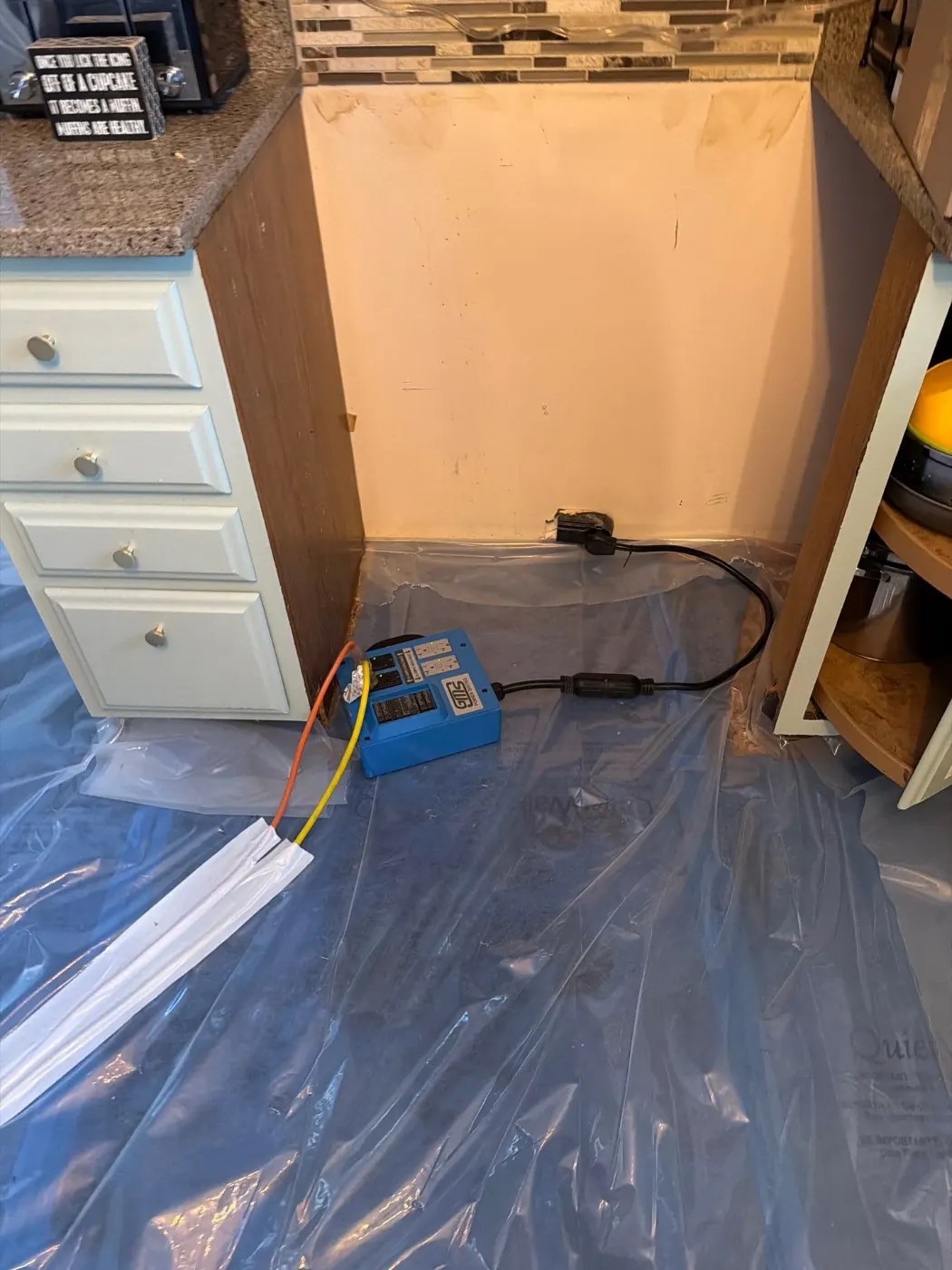
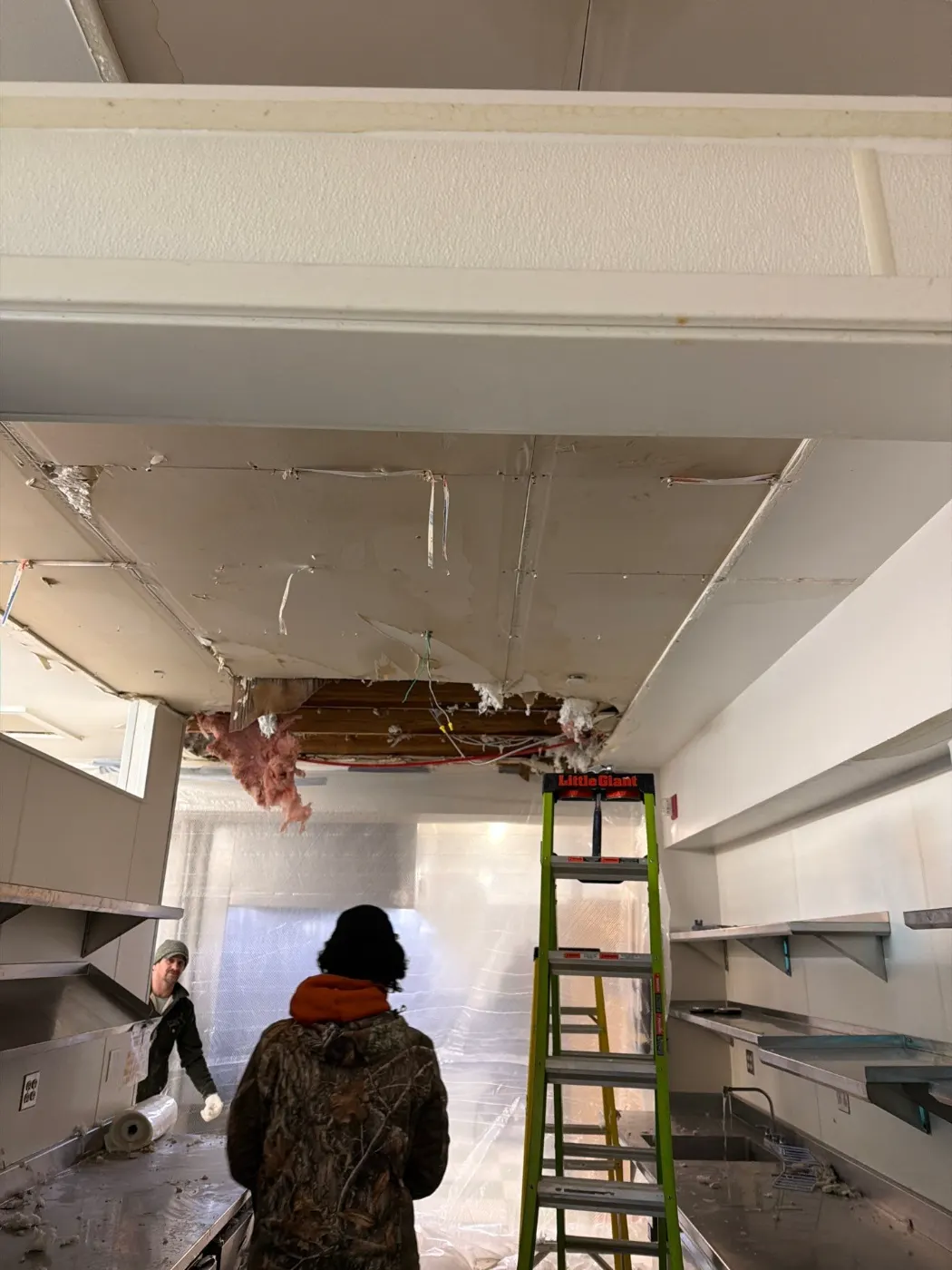
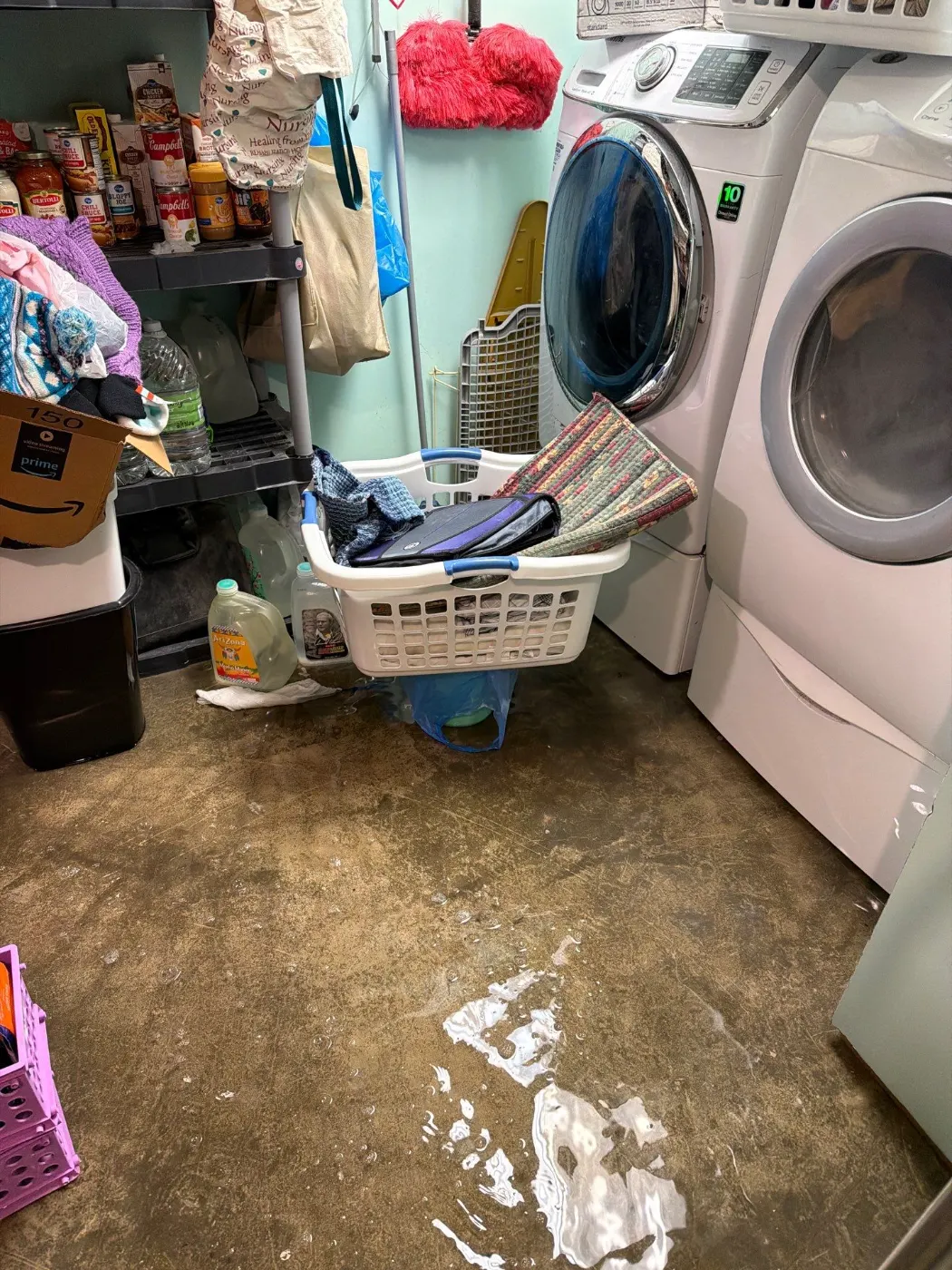
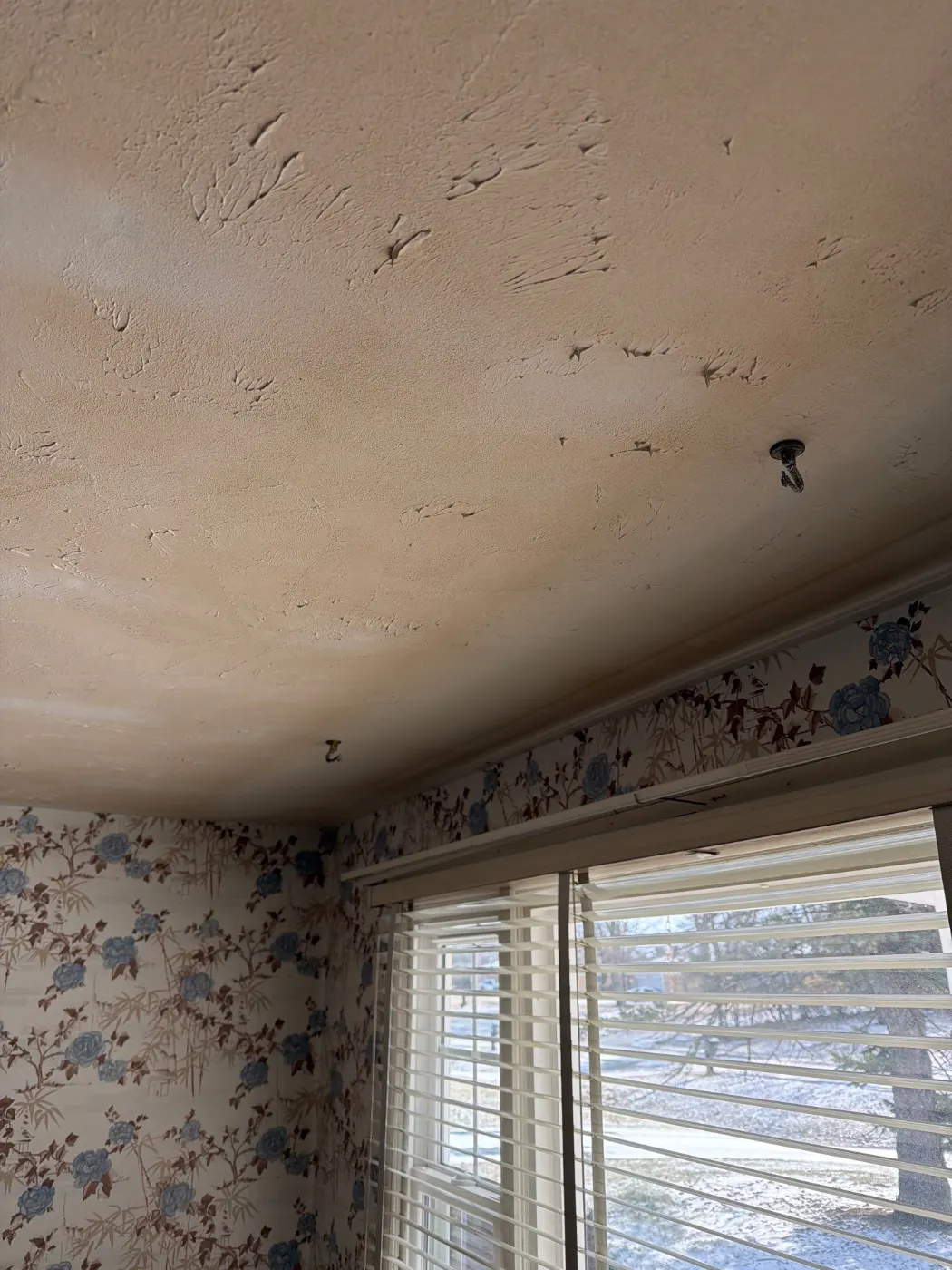
Photographs from real water damage restoration jobs completed by our crew in Smith Valley and surrounding areas.
Water Damage Restoration FAQ
Questions we hear most often from Smith Valley homeowners considering water damage restoration.
Other Restoration Services in Smith Valley
Smith Valley Water Restoration handles the full scope of restoration work. Explore our other services below.
Basement Flooding in Smith Valley
Basement water emergencies handled fast. Extraction, drying, mold prevention.
Learn more →Sewage Cleanup in Smith Valley
Category 3 biohazard cleanup. Full containment, decontamination, structural restoration.
Learn more →Storm Damage in Smith Valley
Storm related water emergencies. Tarping, extraction, drying, and full restoration.
Learn more →Request Water Damage Restoration
Reach Us Directly
Our team is available 24/7 for emergencies and ready to schedule inspections during business hours.
Need Immediate Help?
For active water, fire, or mold emergencies, call us directly. We are available 24/7.